he Saudi Super Cup has evolved from a modest season opener into a fiercely contested trophy that signals the ambitions of Saudi Arabian football. Since its inception in 2013, the competition has pitted the league champions against the King's Cup winners。but recent expansions have added a semifinal stage, raising the stakes. This shift isn't merely procedural;it reflects the broader transformation of Saudi football, where financial investment and global attention have intensified domestic rivalries.Consider Al Hilal's dominance. Their record four titles, including a 2023 triumph over Al Nassr, underscore how the Super Cup often serves as a litmus test for squad depth and tactical flexibility. The clash between Cristiano Ronaldo's Al Nassr and Al Hilal in the 2023 final drew over 50,000 spectators and millions of viewers。
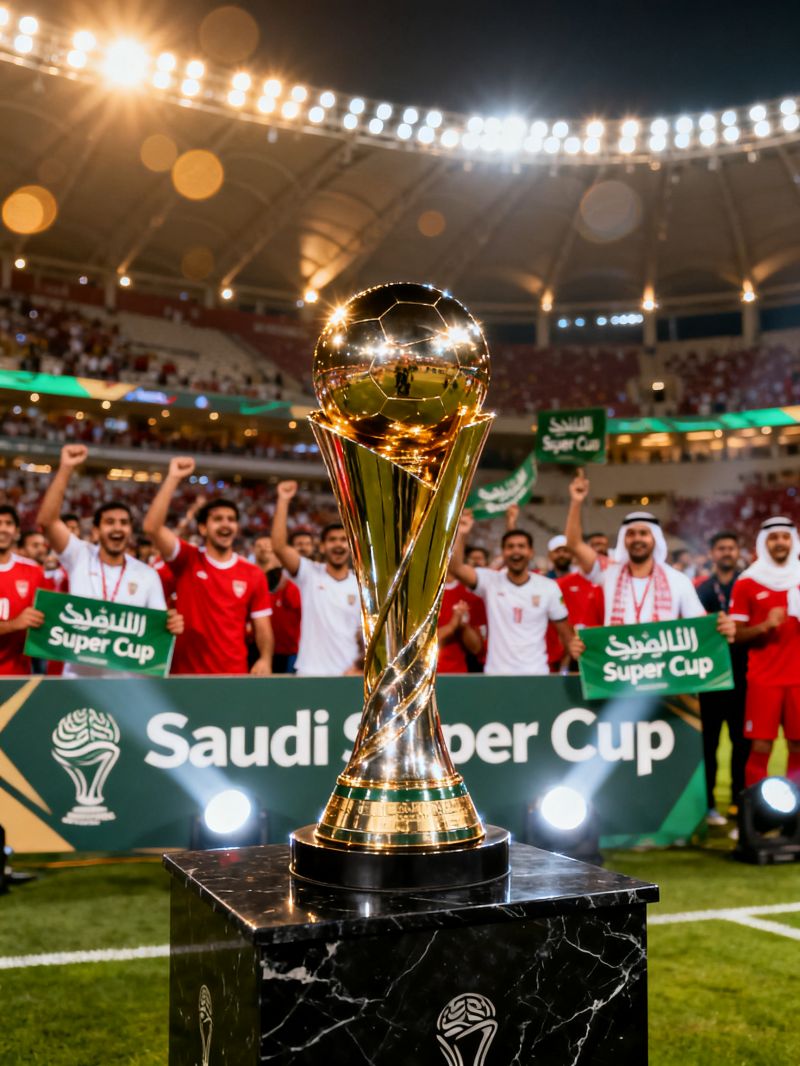
highlighting the competition's growing commercial appeal. For clubs, winning the Saudi Super Cup isn't just about silverware;it's a statement of intent in a season that demands consistency across multiple fronts.Critics argue the Super Cup's scheduling—often placed just before the league kickoff—disrupts preseason preparations. Yet coaches I've spoken with view it differently: a competitive fixture that exposes tactical gaps early. Al Ittihad's 2022 victory。for instance, masked defensive frailties that later surfaced in the AFC Champions League. The tournament's compact format, with semifinals and final in quick succession, demands adaptability. Teams must balance rotation with the desire to impress, creating a peculiar tension that defines the Saudi Super Cup experience.Financial incentives have also reshaped priorities. Prize money now exceeds $2 million for the winner。a sum that can fund youth development or bolster transfer budgets. The Saudi Super Cup's media rights deals, bundled with broader league packages, have attracted international broadcasters, particularly after the influx of global stars. I recall speaking with a club official who noted that the Super Cup's visibility helps sponsors justify partnerships, reinforcing the tournament's role as a commercial catalyst.Looking ahead, the Saudi Super Cup faces a balancing act. Expanding to include more teams could dilute prestige, yet maintaining exclusivity risks stagnation. The recent decision to host matches in London and Abu Dhabi signals a push for global reach. Whether this strategy fortifies the competition's identity or fragments it remains uncertain. One thing is clear: the Saudi Super Cup is no longer a footnote—it's a battleground where domestic supremacy and international ambition intersect.